Nigerian Army DSSC Training Duration and Curriculum
Nigerian Army DSSC Training Duration and Curriculum (2026 Complete Guide)
If you have been shortlisted for the Nigerian Army Direct Short Service Commission (DSSC) Course 29/2026, congratulations. The next phase after the selection board is intensive military training designed to transform qualified professionals into commissioned officers.
Understanding the DSSC training duration, curriculum structure, and what to expect during training is essential for adequate preparation. Many shortlisted candidates search for answers to questions like:
-
How long is Nigerian Army DSSC training?
-
Where is DSSC training conducted?
-
What subjects are taught in DSSC training?
-
Is DSSC training difficult?
-
What happens after DSSC training?
This comprehensive guide explains everything you need to know in detail.
What Is Nigerian Army DSSC?
The Direct Short Service Commission (DSSC) is a special recruitment pathway into the Nigerian Army designed for graduates and professionals such as:
-
Medical doctors
-
Engineers
-
Lawyers
-
Nurses
-
ICT specialists
-
Pharmacists
-
Education officers
-
Intelligence officers
-
Chaplains and Imams
Unlike Regular Commission, DSSC officers serve for a specific period, which may be renewable based on performance and Army requirements.
Nigerian Army Official Recruitment Portal https://recruitment.army.mil.ng
Read: Nigerian Army Shortlisted Candidates for DSSC Course 29/2026
Nigerian Army DSSC Training Duration
For official updates, always rely on:
https://recruitment.army.mil.ng
How Long Is DSSC Training in Nigeria?
The Nigerian Army DSSC training duration typically lasts between 6 to 9 months, depending on:
-
Corps specialization
-
Professional background
-
Training calendar
-
Operational needs
The training is intensive, structured, and residential.
Most DSSC courses run for approximately:
24 to 36 weeks of rigorous military and professional training
Unlike Regular Commission (which may last longer), DSSC training focuses on converting civilian professionals into effective military officers within a compressed timeframe.
Where Is DSSC Training Conducted?
DSSC training is primarily conducted at:
Nigerian Defence Academy (NDA) Kaduna
and/or
Nigerian Army School of Infantry (NASI), Jaji
The location may vary depending on course structure and corps assignment.
Both institutions are equipped with:
-
Military parade grounds
-
Tactical simulation fields
-
Academic lecture halls
-
Weapons training ranges
-
Physical fitness facilities
Structure of DSSC Training Programme
DSSC training is divided into major components:
-
Military Orientation Phase
-
Leadership and Officer Development
-
Tactical and Field Training
-
Weapons Handling and Combat Skills
-
Professional Corps Training
-
Final Evaluation and Passing Out
Let us break each stage down.
Phase 1: Military Orientation and Induction
This is the foundation stage where civilian professionals begin adapting to military culture.
What You Learn:
-
Military discipline
-
Nigerian Army core values
-
Code of conduct
-
Basic drill exercises
-
Parade formation
-
Rank structure
-
Military history
The goal is to build discipline, obedience, and teamwork.
Candidates who struggle with discipline may face corrective measures.
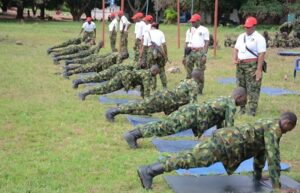
Phase 2: Physical Training and Endurance Development
Physical fitness is a major requirement.
DSSC training includes:
-
Daily morning runs
-
Endurance marches
-
Obstacle crossing drills
-
Push-ups, sit-ups, squats
-
Combat conditioning
-
Swimming (in some cases)
This phase ensures officers are physically capable of leading troops.
Candidates must meet Nigerian Army physical fitness standards.
Phase 3: Weapons Handling and Combat Training
Even if you are a medical doctor or engineer, you must undergo basic combat training.
Topics Covered:
-
Small arms handling
-
Weapon safety procedures
-
Field stripping and cleaning of rifles
-
Live firing exercises
-
Tactical shooting drills
-
Field survival skills
Officers must understand operational environments, even if they serve in technical units.
Phase 4: Tactical and Field Operations Training
This stage exposes candidates to real battlefield simulations.
Key Modules:
-
Section attack drills
-
Defensive formations
-
Ambush tactics
-
Map reading and navigation
-
Camouflage techniques
-
Field signals and communication
-
Night operations
Field training may involve extended outdoor exercises lasting several days.
Phase 5: Leadership and Officer Development
As commissioned officers, DSSC trainees must demonstrate leadership competence.
Subjects Covered:
-
Military leadership theory
-
Conflict management
-
Decision-making under pressure
-
Ethics and integrity
-
Command responsibility
-
Civil-military relations
This stage is critical because officers are responsible for personnel and resources.
Phase 6: Professional Corps Training
After general military training, officers proceed to corps-specific instruction.
Examples:
Medical Corps
-
Military emergency medicine
-
Battlefield trauma response
-
Field hospital management
Engineering Corps
-
Military infrastructure development
-
Combat engineering
-
Explosives handling basics
Intelligence Corps
-
Security analysis
-
Counterintelligence basics
-
Threat assessment
Legal Corps
-
Military law
-
Court martial procedures
-
Rules of engagement
This stage aligns professional qualifications with military operations.
Academic Curriculum During DSSC Training
DSSC training is not purely physical.
Academic instruction includes:
-
Military law
-
National security studies
-
Defence management
-
Nigerian military history
-
Counter-terrorism strategy
-
Civil-military cooperation
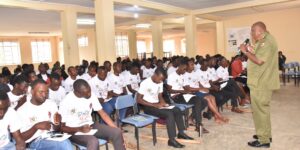
Lectures are delivered by senior officers and subject experts.
Evaluation and Assessment During DSSC Training
DSSC trainees are evaluated continuously.
Assessment includes:
-
Written examinations
-
Physical fitness tests
-
Weapon handling proficiency
-
Tactical exercise performance
-
Leadership grading
-
Character assessment
Failure in critical components may result in withdrawal from the course.
Passing Out Parade (POP)
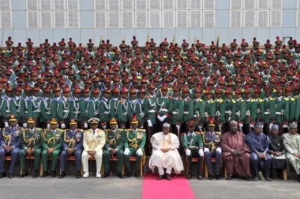
At the end of training, successful candidates participate in a Passing Out Parade (POP).
This ceremony marks official commissioning into the Nigerian Army as:
-
Lieutenant
or -
Captain (depending on qualification and experience)
Family members are often invited.
Life After DSSC Training
After commissioning, officers are posted to various units across Nigeria.
They may serve in:
-
Military hospitals
-
Engineering battalions
-
Intelligence units
-
Infantry formations
-
Peacekeeping missions
-
Headquarters departments
Read: Nigerian Army Salary Structure 2026
Is DSSC Training Difficult?
Yes – DSSC training is challenging but achievable.
Common challenges:
-
Physical exhaustion
-
Mental stress
-
Strict discipline
-
Limited personal freedom
-
Early wake-up routines
However, candidates who prepare physically and mentally usually succeed.
Tips to Prepare for DSSC Training
-
Start physical exercise early
-
Improve cardiovascular endurance
-
Practice push-ups and core workouts
-
Develop mental resilience
-
Organize your required documents properly
-
Arrive at NASI or NDA fully prepared
Benefits of Completing DSSC Training
-
Officer rank commission
-
Competitive salary and allowances
-
Pension scheme
-
Healthcare benefits
-
Leadership career pathway
-
International peacekeeping exposure
Frequently Asked Questions (FAQ)
How long is Nigerian Army DSSC training?
Between 6 and 9 months.
Where is DSSC training conducted?
Primarily at NDA Kaduna or NASI Jaji.
Can someone fail DSSC training?
Yes, due to medical, academic, or disciplinary reasons.
What rank do DSSC officers receive?
Usually Lieutenant or Captain.
Is DSSC training residential?
Yes, it is fully residential.
Testimonies from Former DSSC Officers
Captain Musa A. (Medical Corps)
“The training was tough but transformative. It prepared me to handle military emergencies confidently.”
Lieutenant Grace N. (Engineering Corps)
“Discipline and time management were the biggest lessons I learned.”
Major Daniel K.
“DSSC training builds leadership. It changes how you think and make decisions.”
Conclusion
The Nigerian Army DSSC training programme is an intensive, structured pathway that transforms civilian professionals into disciplined military officers. Lasting between 6 and 9 months, the training blends physical endurance, tactical competence, academic instruction, and leadership development.
Candidates who prepare early, remain disciplined, and stay focused greatly improve their chances of success.